Open-Circuit Voltage Sorting
What Open-Circuit Voltage Tells You
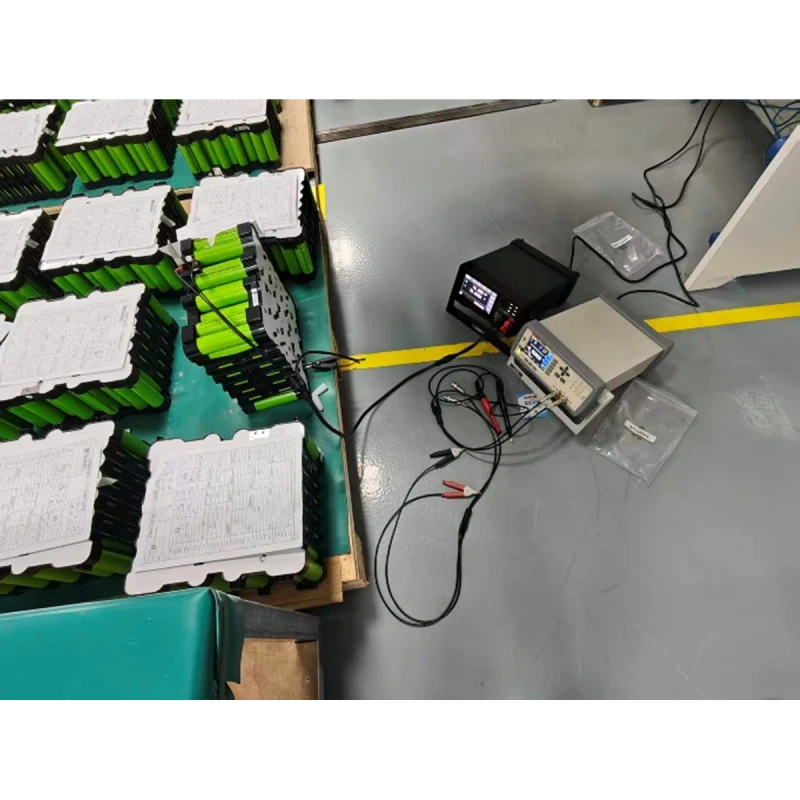
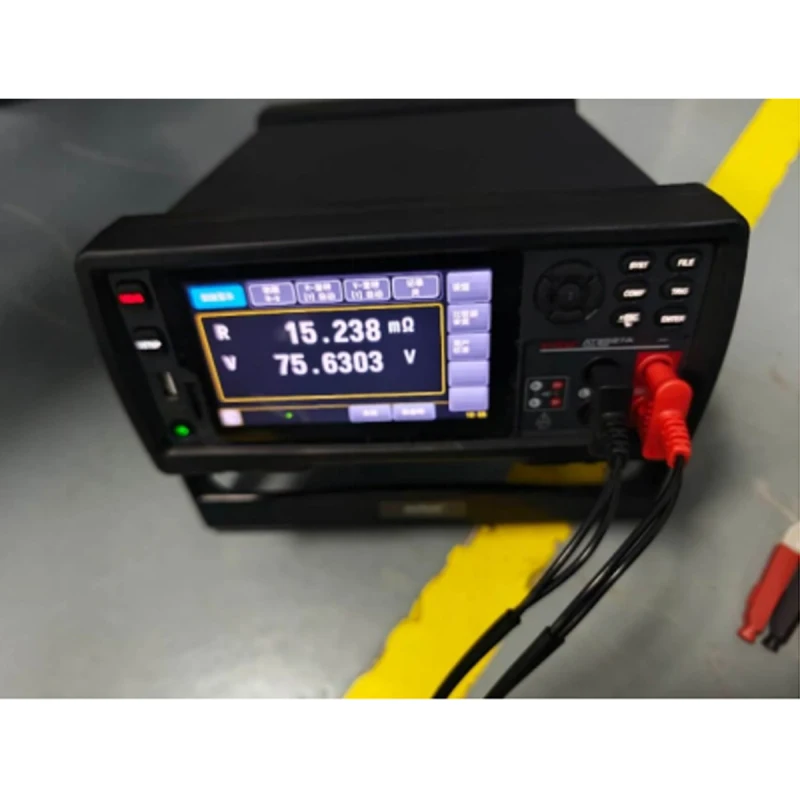
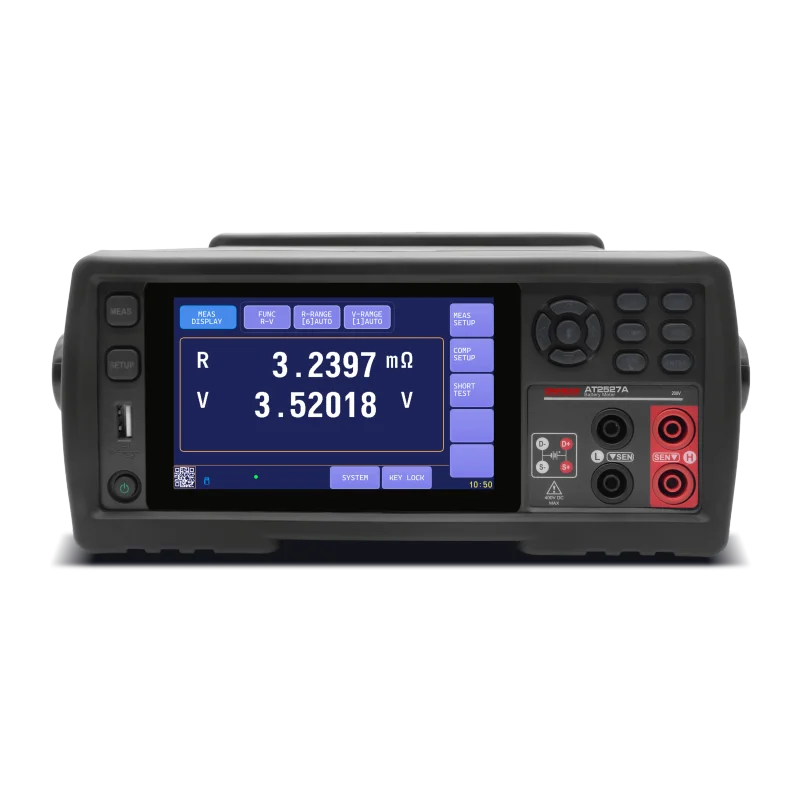
Open-circuit voltage is the voltage of a cell with no load connected. It is like the cell's initial status card, directly reflecting the cell's potential level at rest and providing key evidence for subsequent voltage sorting.
Consistency Requirements
For cells in the same system, the smaller the open-circuit voltage difference, the higher the consistency. A well-matched cell group effectively prevents some cells from being overcharged or over-discharged: for example, if the open-circuit voltage of an individual cell is far lower than that of the others during charging, that cell may be overcharged, which over time seriously damages its performance and affects the safety and service life of the whole battery pack.
Why Internal Resistance Sorting Matters
The Key Role of Internal Resistance
Internal resistance is a core indicator for evaluating cell performance. It runs through the entire life cycle, from the design stage to production, shipping control and use until end-of-life disposal; like a health indicator in people, internal resistance reflects the actual condition of a cell.
Impact on Cell Performance
Internal resistance directly affects charge and discharge efficiency and heat generation: a cell with higher internal resistance meets greater resistance during charge and discharge, generates more heat, shows faster SOC (state of charge) changes and suffers reduced endurance. After long-term use, cells with higher internal resistance age more easily, causing capacity fade of the whole pack and a significantly higher risk of thermal runaway.