Case Study: Contact Reliability of EV Connectors

Case Study: Contact Reliability of EV Connectors

Low Resistance Test

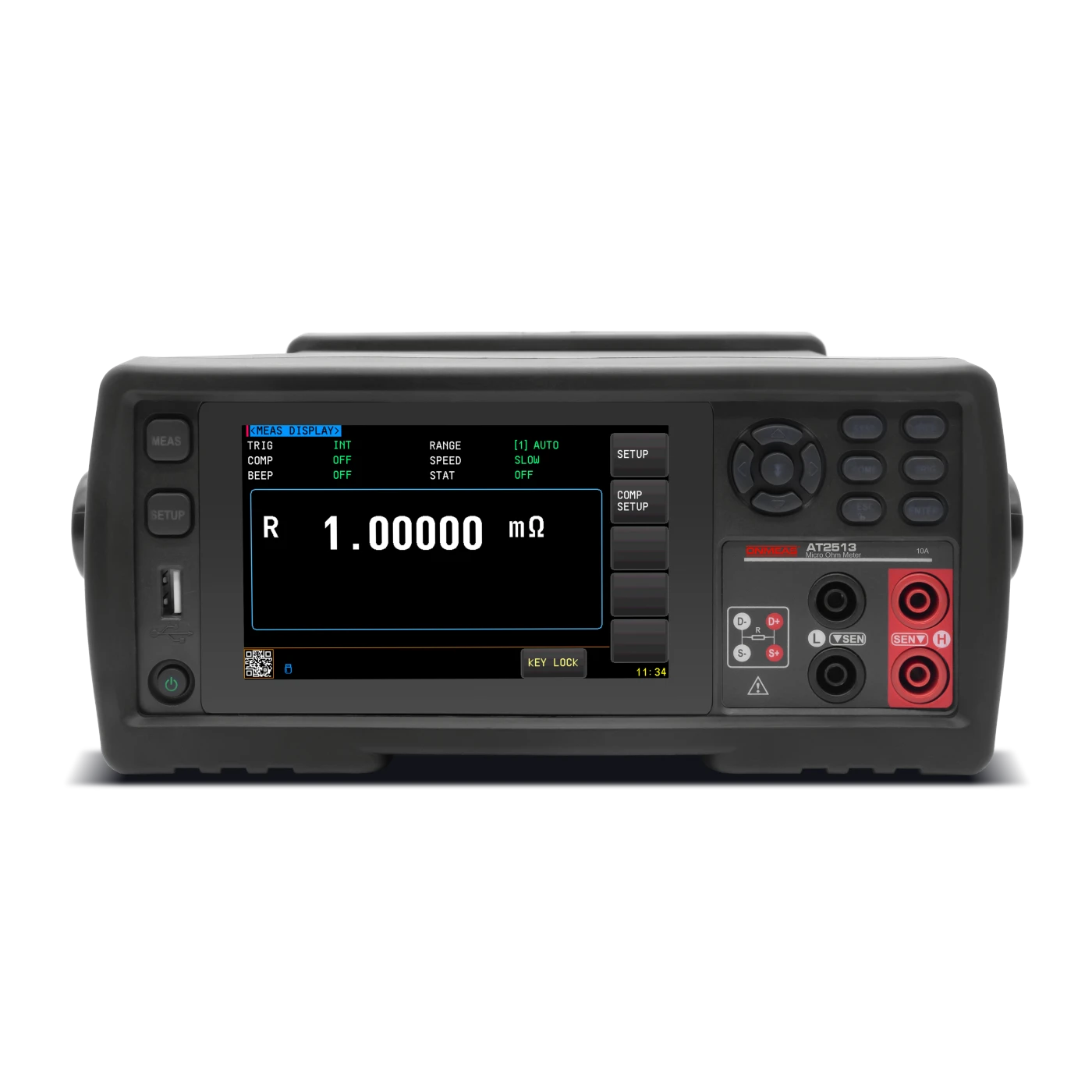
Addressing low-resistance quality control challenges in mass production of new energy connectors, the ONMEAS AT2513 delivers stable repeat measurements with 10A high current, micro-ohm precision and drift-resistant design. It fits automated production lines and helped the customer upgrade quality inspection at every station.

1. Project Background and Pain Points

New energy connector quality inspection case | A Suzhou customer upgrades all lines to the ONMEAS AT2513 low resistance tester

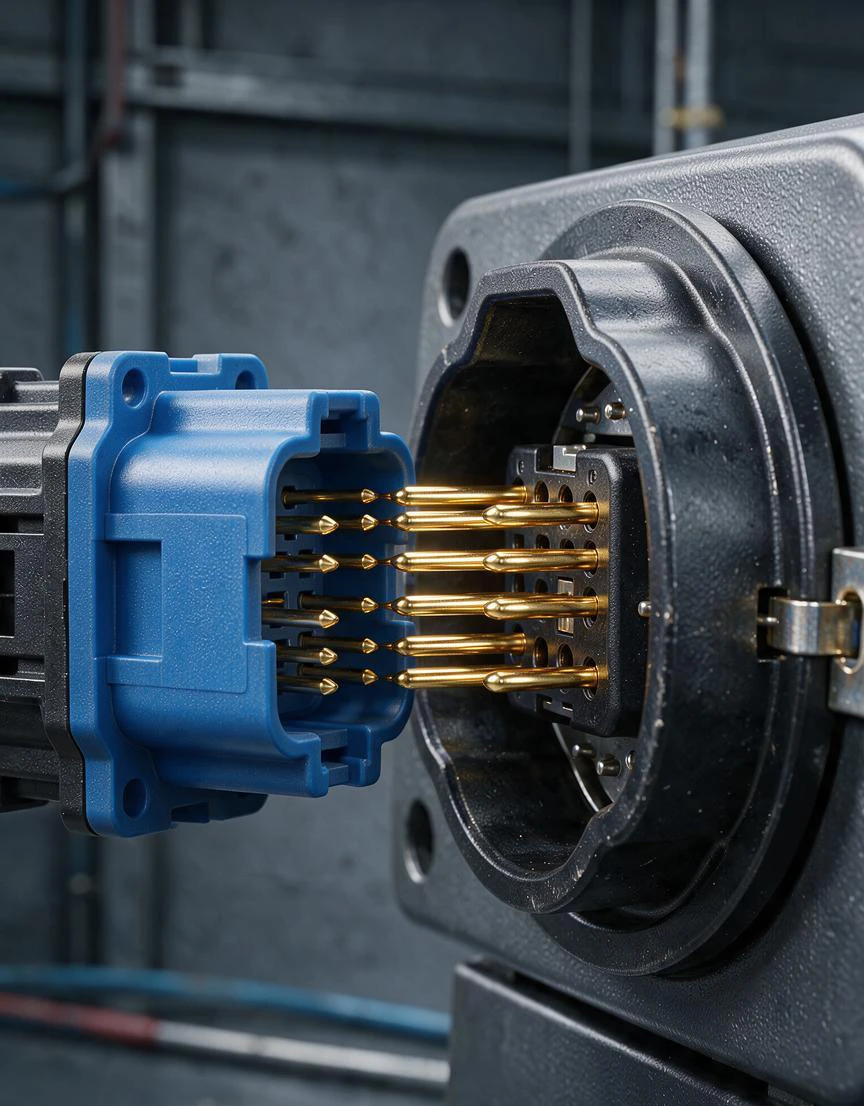
A new energy vehicle connector manufacturer in Suzhou set strict quality standards to control plug-in safety and long-term reliability: the contact resistance of components must be kept within 40μΩ.

The customer's existing test equipment provided a maximum test current of only 1A, which showed clear weaknesses in workshop mass-production testing: repeated measurements of the same sample fluctuated widely and repeatability was poor, so products at the critical resistance limit were easily misjudged, causing good parts to be scrapped, pushing up production costs and creating the risk that defective parts reach downstream vehicle assembly.

2. Selection and Engagement Process

The customer learned about the ONMEAS AT2513 high-precision DC low resistance tester at the Munich electronics exhibition. The model supports 10A high-current testing, and its data stability and repeatability in the live demonstration stood out, so the customer invited us to bring a sample unit for on-site benchmarking.

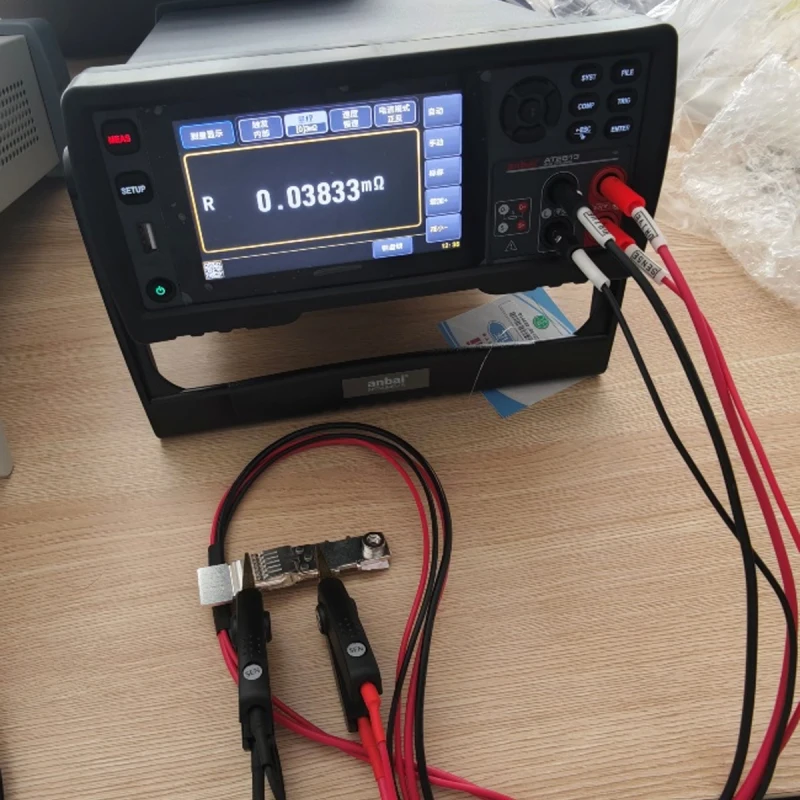
In on-site measurements, repeated tests of workpieces from the same batch gave highly consistent results; measurement stability fully met the customer's strict quality control requirements, and the customer confirmed the solution on the spot, replacing equipment at all inspection stations in the plant with the AT2513.
3. Core Value of the Solution

ONMEAS AT2513 Core Advantages

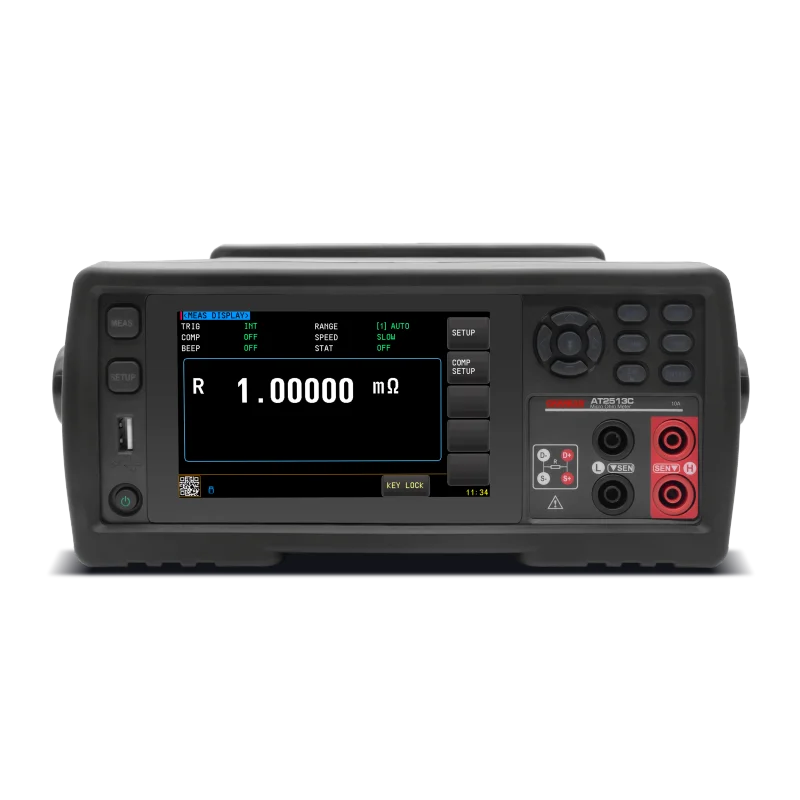
The AT2513 is designed for precision measurement of ultra-low DC resistance and fits new energy component precision inspection scenarios perfectly:

1. High-Precision Measurement

Maximum test current 10A, measurement range 0.01μΩ~300.000Ω, up to 300,000 counts, measurement accuracy up to 0.01%, accurately identifying extremely small micro-ohm values.

2. Multiple Designs to Suppress Measurement Errors

An automatic bidirectional current plus pulsed test architecture prevents the DUT and circuit from heating during long power-on periods, suppressing data drift caused by temperature rise at the source; standard temperature compensation automatically offsets the influence of workshop temperature differences on results, making on-site data more truthful and stable.

3. Versatile Testing for Multiple Categories

It handles resistance testing of connectors, cables and wires, conductive substrates, shunts and riveted joints, covering many inspection needs with one instrument and offering strong versatility.

4. Ready for Automated Production Line Upgrades

Built-in professional sorting judgement can connect to automatic sorting equipment to build a fully automatic in-line inspection station; RS232, RS485, LAN and USB interfaces support data exchange with computers and remote control of the instrument, helping factories build digital quality inspection systems.